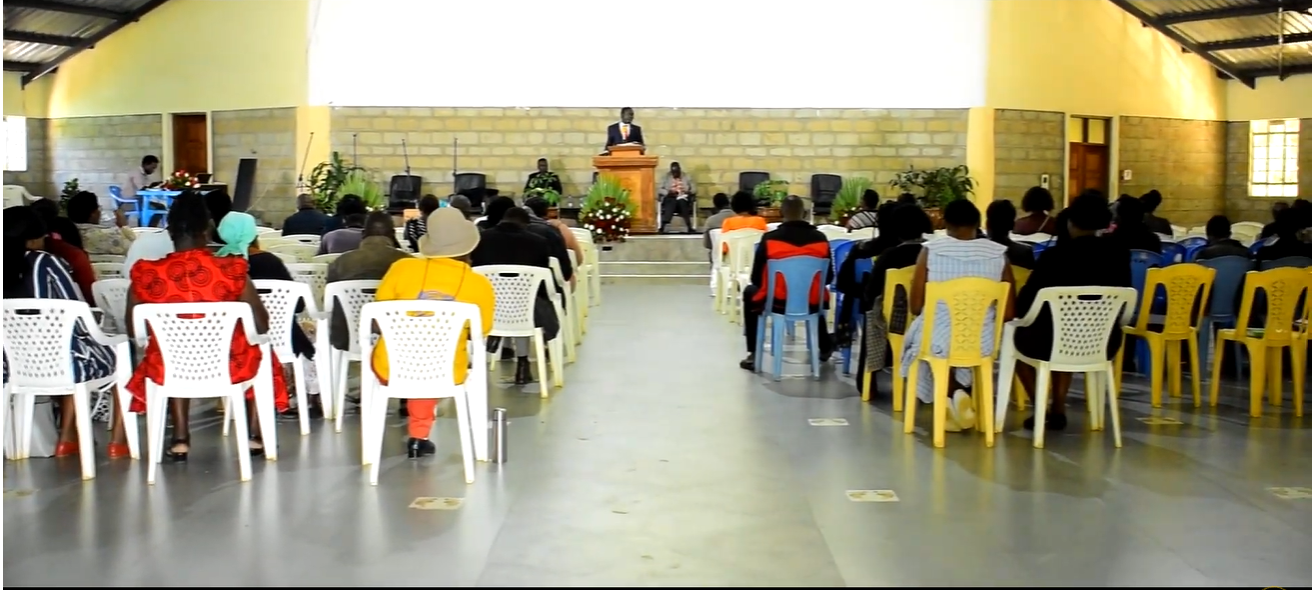

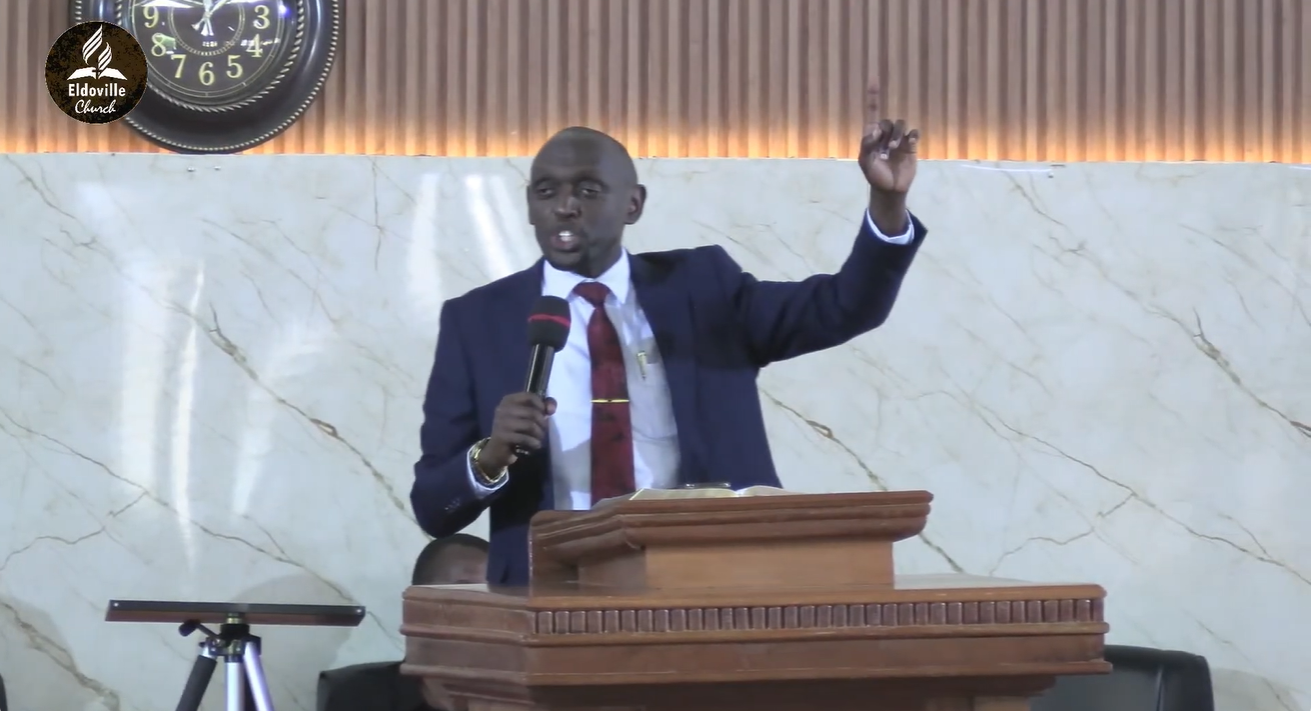
The central question of the sermon is drawn from Jesus’ question to His disciples in Matthew 16:13–17: “Who do people say the Son of Man is?” Jesus first wanted to know what the public was saying about Him, and then asked the disciples, “But what about you? Who do you say I am?”
The preacher uses this question to challenge every Christian, particularly men in the mission field:
What are people saying about you—and, through you, about your God?
1. Our lives influence people’s view of God
The sermon emphasizes that people form opinions about God partly through the way His followers live. In evangelism, reputation matters. Our spouses, children, relatives, friends, colleagues, employees, neighbours, and business associates are constantly observing us.
The important questions are:
- What does your wife say about you?
- What do your children say about you?
- What do your colleagues say about you?
- What do your employees or domestic workers say about you?
- What do your neighbours and non-Adventist relatives say about you?
- If you invited them to church, would your lifestyle encourage them to come—or discourage them?
Our Christianity must be visible beyond the church building.
2. We must be concerned about our Christian witness
The preacher challenges the idea that Christians should simply ignore what people say about them. While we should not live for people’s approval, we should care about the testimony our lives are giving.
If people consistently experience dishonesty, broken promises, anger, abuse, arrogance, unreliability, or hypocrisy from us, they may associate those characteristics with our God.
Therefore, being “men in the mission field” means recognizing that our homes, workplaces, businesses, social relationships, and communities are mission fields.
3. Rahab shows the power of reputation
The sermon refers to Joshua 2:8–11, where Rahab tells the Israelite spies that the people of Jericho had heard about Israel and, more importantly, had heard about Israel’s God.
The reputation of God had gone ahead of His people.
The people of Jericho had heard what God had done at the Red Sea and how He had defeated Israel’s enemies. Their hearts melted because they recognized that Israel served a powerful God.
The lesson is clear:
Our lives should make people aware that we serve a living and powerful God.
4. Joseph, Daniel and the three Hebrew men represented God
The preacher uses Joseph, Daniel, Shadrach, Meshach, and Abednego as examples of people whose lives caused others to recognize their God.
Joseph’s brothers eventually came face-to-face with the consequences of dealing with someone who served God.
Daniel’s faithfulness caused King Nebuchadnezzar to declare:
“Surely your God is the God of gods and the Lord of kings.” — Daniel 2:47
When Shadrach, Meshach, and Abednego survived the fiery furnace, Nebuchadnezzar again praised their God, not merely the men themselves.
Their faithfulness gave God an opportunity to shine.
5. Give God the glory for your success
Another major point is that our achievements should point people to God.
When we succeed in business, education, employment, ministry, leadership, or other areas of life, the question is:
Who receives the glory?
The preacher warns against making our talents, education, experience, connections, or hard work the centre of our testimony while forgetting God.
Daniel interpreted the king’s dream, but the king ultimately praised Daniel’s God.
The challenge is therefore:
After every victory, make sure your God is praised.
6. Faithfulness can lead to promotion and influence
The sermon points to Daniel 3:30, where Shadrach, Meshach, and Abednego were promoted after their faithfulness.
The principle presented is:
When your God shines through your faithfulness, He can use you and elevate your influence.
The sermon connects this with Daniel, who prospered under different kings, demonstrating that faithful men can remain relevant and successful even when circumstances and leadership change.
7. Spend time with Jesus
The sermon reaches its strongest practical conclusion in Acts 4:13.
When the religious leaders saw the courage of Peter and John, they recognized that these ordinary, unschooled men “had been with Jesus.”
This is the secret of an effective mission-field witness.
If we want people to say the right things about us and our God, we must spend time with Jesus.
That means:
- Read the Bible every day.
- Pray every day.
- Attend church faithfully.
- Walk closely with Christ.
- Allow Jesus to transform your character.
- Represent Him faithfully wherever you go.
The Main Message
The sermon can be summarized in one sentence:
“The most powerful evangelism is a life that causes people to say, ‘There is something different about this person—and it is because of his God.’”
For Adventist Men’s Sabbath and the theme “Men in the Mission Field,” the challenge is especially relevant. The mission field is not only overseas or in the pulpit. The mission field is your home, your workplace, your business, your neighbourhood, your friendships, and your community.
Every man should ask himself:
“When people look at my life, what are they saying about me—and what are they saying about my God?”
Spend time with Jesus, live faithfully, serve courageously, and let your life point people to God.
Key Scriptures: Matthew 16:13–17; Joshua 2:8–11; Daniel 2:47; Daniel 3:26–30; Daniel 6:28; Acts 4:13.